Table of contents
Travel has become cheaper, faster and more photographed, but not always more memorable. As flights rebound and cities tighten rules around overtourism, a growing share of travelers are shifting their budgets from “more places” to “better moments”, and the market is following: global experience bookings have expanded quickly since 2019, with major platforms and local operators reporting sustained double-digit demand for small-group and niche activities. The result is a new kind of trip, built less around landmarks and more around what you actually do once you arrive.
Souvenirs aren’t bought, they’re lived
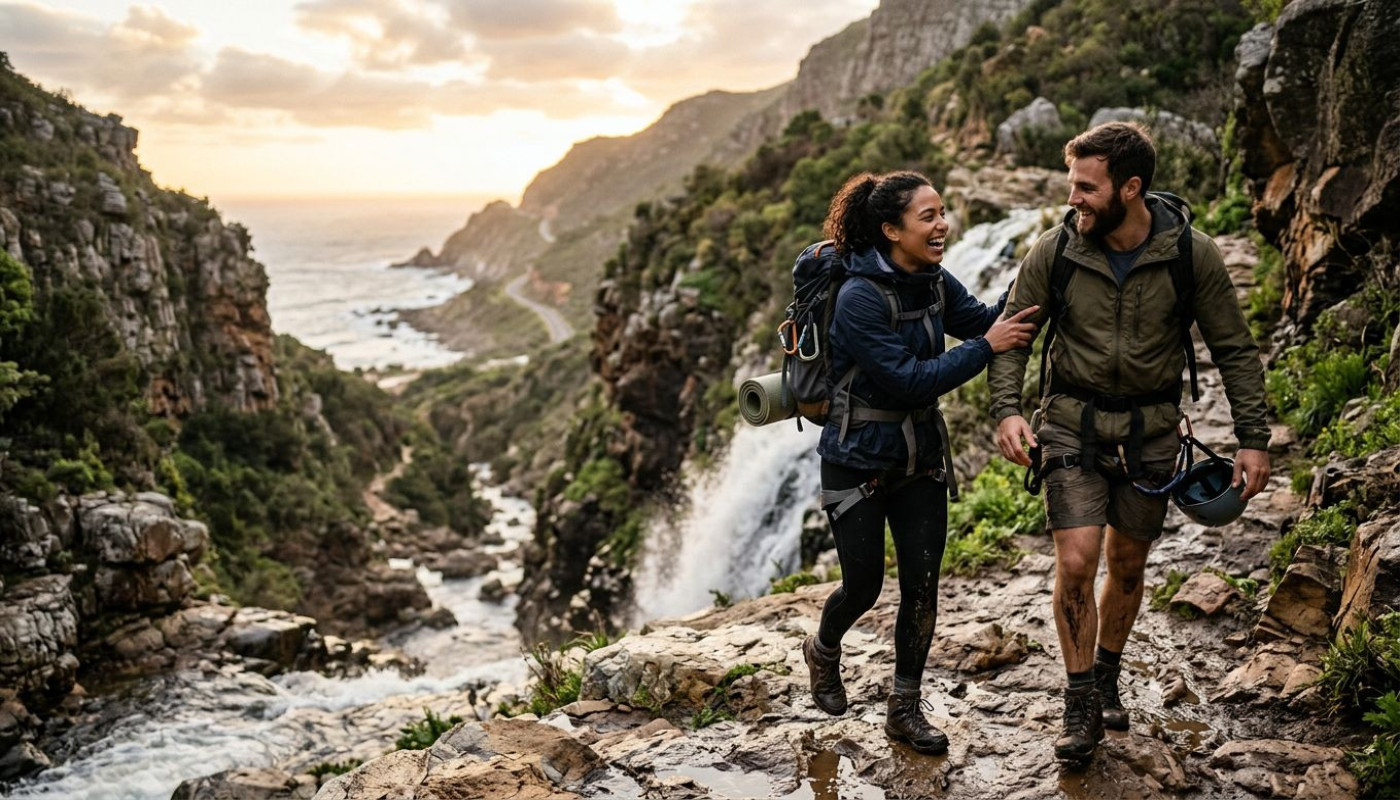
Ask people what they remember most from a trip, and the answer is rarely a museum label or a skyline photo. It is the midnight street-food crawl that ended in a cramped jazz bar, the unexpected conversation with a guide who grew up two streets away, the feeling of learning a new skill under pressure, and the small moment when a city stops being a postcard and becomes a place. That is why “experiential travel” has moved from marketing slogan to measurable behavior, and why tourism economists increasingly track spending on activities as closely as spending on hotels.
Numbers back the shift. The World Travel & Tourism Council has repeatedly highlighted that experiences and local services are among the segments recovering fastest as international tourism normalizes, and operators in Europe report that travelers are booking later but buying more “in-destination” products, from guided walks to day trips, especially when those products promise scarcity: limited seats, unusual access, and a story to tell. It is not only younger travelers, either; families want hands-on days that keep everyone engaged, and older travelers often prioritize comfort plus depth, paying for a guide who can shorten lines, translate context and reduce friction. In practice, unique activities work like narrative anchors, they give structure to the trip, and they create a sequence of “chapters” your brain stores more vividly than a checklist of sites.
There is also a psychological reason. Researchers studying memory formation have long noted that novelty, emotion and personal participation strengthen recall, and travel experiences combine all three when they are well designed. A cooking class in a local apartment, a sunrise paddle on a river, or a historical tour led by a specialist may not look as iconic as the main square, yet it tends to produce a more durable memory because you were not only watching, you were doing. The best activities do something else, too: they turn the traveler into a protagonist rather than a spectator, and once that happens, the story you tell at home stops sounding like every other story.
Choosing one activity can change everything
One smart booking can reshape the entire itinerary, and not just by filling an afternoon. A well-chosen activity sets your pace, dictates your neighborhoods, influences where you eat and even changes how you read the city the next day. Think of it as a lever: pull it in the right direction, and the rest of the trip aligns. Book a craft workshop in a residential district, and suddenly you have a reason to explore markets and cafés you would otherwise skip; pick a night-time tour, and you naturally adjust your day to include a nap, a lighter lunch and a different kind of energy after dark.
But how do you choose without falling into the trap of generic “top 10” offers? The first filter is specificity. Activities that name a clear theme, a defined route and a real person or institution behind them tend to deliver more than those that promise everything at once. The second is scale. Smaller groups usually mean less waiting, more questions answered and a better chance of spontaneous detours, and that is exactly where travel starts feeling personal. The third is timing. Slots at the edges of the day, early morning or late evening, often produce the most striking atmospheres, and in high season they can also be the difference between gliding through a site and wrestling with crowds.
Finally, there is a practical test many experienced travelers use: will this experience still matter if the weather turns, if a museum is closed, or if the city is busier than expected? A robust activity is one that adds meaning rather than merely replacing a plan. That might mean choosing a guide who can adapt, or a day trip that offers variety instead of a single photo stop. It is also where specialized local platforms can help, because they tend to curate around the destination’s real strengths rather than around the most search-friendly clichés. For Prague, for example, travelers who want to compare options beyond the obvious can start with www.prague-trip.com, then work backward from the experience that fits their mood, their mobility and their appetite for depth.
Prague proves the power of doing
Prague is a case study in how a city can be both immensely popular and still capable of surprise. The Czech capital routinely ranks among Europe’s most visited destinations, and the historic core, from the Charles Bridge to Old Town Square, can feel saturated in peak months. Yet the moment you add a purposeful activity, the city widens. A guided walk focused on architecture, for instance, changes what you notice: the Cubist facades that hide in plain sight, the Art Nouveau details that most visitors walk past, the post-1989 layers that complicate the fairy-tale narrative. A boat ride or riverside experience reframes the skyline, and a neighborhood tour in Vinohrady, Holešovice or Karlín replaces souvenir-shop sameness with lived-in streets, bakeries and bars that locals actually use.
Prague also rewards activities that connect you to context. Its history is not only medieval, it is 20th-century upheaval, occupation and resistance, the Communist era, the Velvet Revolution and the cultural reinvention that followed. Experiences that treat the city as a living archive, not an open-air stage set, tend to land harder. That could be a specialist-led tour that explains why certain monuments are controversial, a visit that pairs Jewish heritage with broader narratives of Central Europe, or an excursion that places Prague inside the geography of Bohemia, where castles, breweries and landscapes sit within easy reach. The key is that you are not simply collecting views, you are collecting understanding, and understanding is what turns a weekend away into a story with texture.
There is a second advantage to activity-led travel in Prague: logistics. The city is compact, but its popularity creates pressure points, and timed entries, guided access and smart scheduling can save hours. Travelers who book experiences with clear meeting points, realistic durations and local guidance often end up seeing more while feeling less rushed. That matters because Prague, at its best, is not a place to sprint, it is a place to linger, to look up at the ceilings in cafés, to cross bridges twice just to watch the light change, and to stay out late enough to hear the city quiet down. Unique activities do not compete with that rhythm, they protect it by removing the friction that drains energy.
How to book smarter, not louder
Who wants a “must-do” that feels mandatory? The trap of modern travel is not a lack of information, it is too much of it, and a lot of it is optimized for clicks rather than for fit. Booking smarter starts with clarity about what you want the trip to feel like. Do you want intensity or ease, social energy or solitude, deep history or contemporary culture, food first or scenery first? When you define the emotional goal, it becomes easier to judge whether an activity is truly unique for you, not just popular for everyone.
Then come the practical checks that separate a memorable day from a frustrating one. Read the fine print: group size, language, cancellation terms and what is actually included. Look for proof of local knowledge, not just generic enthusiasm, and pay attention to how a tour describes constraints; a provider that mentions what can change, weather, closures, seasonal conditions, is usually more reliable than one that pretends everything is always perfect. If you are traveling in peak season, prioritize morning starts and weekday slots, and consider spending a bit more for smaller groups, because the “premium” is often repaid in time saved and stress avoided.
Finally, budget with intention. Many travelers will spend without thinking on taxis, overpriced snacks in tourist zones and last-minute add-ons, yet hesitate over an experience that could define the trip. A useful rule is to allocate a fixed “experience fund”, then plan meals and shopping around it rather than the other way around. Families can focus on activities with built-in engagement, scavenger-style walks, hands-on workshops, short day trips with variety, and travelers watching costs can look for shoulder-season dates, bundled offers and public-transport-friendly meeting points. In cities like Prague, where the value proposition remains strong compared with Western Europe, a carefully chosen activity often delivers disproportionate returns: fewer wasted hours, better understanding, and a travel story that does not sound like it was copied from a brochure.
Plan it like a newsroom: facts first
Here is the discipline that professional reporters apply, and travelers can borrow: verify, triangulate, then commit. Don’t rely on a single review platform, cross-check across sources, and if an experience claims exclusivity, ask what that means in practice. Does it mean early entry, access to a site usually closed, a specialist guide, or simply marketing language? Look for concrete details: exact neighborhoods, duration, walking distance, and what happens if conditions change. The more precise the description, the easier it is to predict whether it matches your day.
Also consider the broader context shaping your trip. European cities are increasingly managing tourism pressure with timed tickets, pedestrian rules and neighborhood protections, and travelers feel those policies most acutely in the historic cores. Activities that disperse you beyond the busiest corridors, or that place high-demand sights at low-demand times, can be both more enjoyable and more respectful. Responsible travel does not have to be solemn, it can be pragmatic: spread your spending, travel off-peak when you can, and choose experiences that are rooted locally rather than extractive.
Do that, and you end up with something rarer than a perfect photo: a coherent narrative. You arrive, you learn, you taste, you move differently through the streets, and when you leave, you can explain not only what you saw but why it mattered. In an era where everyone can scroll the same highlights, that is the real competitive advantage of travel, and it is built, activity by activity, choice by choice, into the story you carry home.
Last checks before you hit “book”
Reserve key experiences early if you travel during school holidays or summer weekends, because limited group sizes sell out first and last-minute options tend to be either overpriced or generic. Set a clear per-person budget, then protect it by factoring in transport, tips where customary and any add-ons that might tempt you on the day.
If you are eligible, look for city passes, student or senior reductions and seasonal promotions, and keep cancellation flexibility in mind when weather is a risk. The best trips feel spontaneous, but they are usually backed by a few well-timed bookings.
On the same subject

Escaping The Crowds: How Hidden Destinations Redefine Solo Travel
How First-time Travelers Avoid Classic Planning Mistakes
When Travel Plans Go Off-track: Real Stories Of Itinerary Reinvention

How To Choose The Perfect Luxury Apartment For Your Event Stay?

Exploring The Evolution Of Alpine Sports And Lifestyle Apparel

Comprehensive Guide To Choosing The Right Marine Equipment For Boaters

The Benefits Of Choosing A Holiday Home With Water Features

Iconic Vehicle Designs And Their Influence On Modern Photography
